
Electric vehicles are becoming increasingly popular across the UK as more drivers look for cleaner and more cost-effective transportation options. As EV ownership grows, many homeowners begin searching for the best home EV charger to make charging simple and convenient.
Installing a charging point at home allows drivers to recharge their vehicles overnight, avoid queues at public charging stations, and manage charging costs more efficiently. However, with various charger models, power levels, and smart features available, selecting the best home EV charger can feel overwhelming.
This guide explains what to look for when choosing a charger, the different types available, and how to ensure your installation meets your needs. 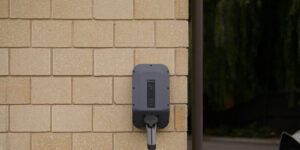
Why Install an EV Charger at Home?
Before choosing the best home EV charger, it is helpful to understand why home charging has become the preferred option for many EV drivers.
Convenience
Home charging eliminates the need to rely on public charging points. Drivers can simply plug in their vehicle when they return home and wake up to a fully charged battery.
Cost Efficiency
Charging at home is often cheaper than using public charging networks, particularly when charging during off-peak electricity hours.
Faster Charging Than Standard Plugs
While some vehicles can be charged using a standard household socket, a dedicated charger is significantly faster and safer. Choosing the best home EV charger ensures reliable charging performance every day.
Long-Term Investment
As electric vehicles become more common, installing a charger can add value to your property and improve its appeal to future buyers.
Types of Home EV Chargers
Understanding the different charger types is essential when deciding on the best home EV charger for your property.
3 kW Slow Chargers
These chargers use a lower power output and typically take longer to fully charge a vehicle. They are suitable for drivers who travel short distances daily and can charge their vehicle overnight.
7 kW Fast Chargers
In the UK, 7 kW chargers are the most common choice for residential installations. Many homeowners consider this option the best home EV charger because it offers a good balance between charging speed and affordability.
A 7 kW charger can recharge most electric vehicles within several hours, making overnight charging easy and practical.
22 kW Chargers
These chargers are faster but require a three-phase electrical supply, which is less common in residential properties. They are typically used in commercial settings rather than homes.
Key Features to Look for in the Best Home EV Charger
When choosing the best home EV charger, several important features should be considered to ensure the charger fits your lifestyle and vehicle requirements.
Smart Charging Capabilities
Many modern chargers include smart technology that allows users to monitor and control charging through a smartphone app. These systems enable scheduling, energy monitoring, and remote operation.
Smart charging can also help drivers take advantage of cheaper electricity tariffs during off-peak hours.
Tethered vs Untethered Chargers
A tethered charger includes a permanently attached cable, making it convenient because the cable is always ready to use.
An untethered charger uses a removable cable, which some homeowners prefer for a cleaner appearance and flexibility for different vehicles.
Both options can be part of the best home EV charger setup depending on personal preference.
Charging Speed Compatibility
Not all electric vehicles support the same charging speeds. It is important to choose a charger that matches the capabilities of your car to achieve the most efficient charging performance.
Safety Features
Safety is essential when dealing with electrical equipment. The best home EV charger should include built-in protections such as overload protection, temperature monitoring, and automatic shut-off functions.
Installation Considerations
Choosing the best home EV charger also involves planning the installation process carefully.
Location of the Charger
The charger should be installed close to where your vehicle is parked to ensure convenient access. Most chargers are mounted on exterior walls or in garages.
Electrical Capacity
Your home’s electrical system must support the charger’s power requirements. A professional installer will check the electrical supply before installation.
Cable Length
Cable length can affect usability. It is important to ensure the charging cable can comfortably reach your vehicle’s charging port.
Professional installers will help determine the best location and configuration for your charger.
Smart Energy Management
Modern charging technology is making EV charging more efficient. Many homeowners looking for the best home EV charger are now choosing systems that integrate with smart home energy management.
These chargers can adjust charging speed depending on electricity demand, integrate with solar panels, and optimise energy use automatically.
Smart energy features can reduce electricity costs and make EV charging more environmentally friendly.
Why Professional Installation Matters
Installing an EV charger is not a simple DIY task. It requires knowledge of electrical safety regulations and proper system integration.
Professional installation at Colchester EV Chargers ensures the charger operates safely and meets UK standards. Certified installers also provide guidance when choosing the best home EV charger for your specific vehicle and property.
An experienced installation team can evaluate your electrical supply, recommend suitable charger models, and complete the installation efficiently.
Benefits of Choosing the Right Charger
Selecting the best home EV charger can make a significant difference in your overall EV ownership experience.
Faster Daily Charging
A dedicated charger ensures your vehicle is always ready to drive when needed.
Lower Charging Costs
Charging at home allows drivers to take advantage of cheaper electricity tariffs.
Increased Convenience
Home charging removes the need for regular visits to public charging stations.
Future-Ready Technology
Many chargers receive software updates that improve performance and add new features over time.
Frequently Asked Questions
What is the best home EV charger for UK homes?
A 7 kW charger is often considered the best home EV charger for most UK households because it offers fast charging while working with standard residential electrical systems.
How long does it take to charge an EV at home?
Charging time depends on the battery size and charger power. A 7 kW charger can typically recharge most electric vehicles overnight.
Can I install an EV charger myself?
It is recommended to use a professional installer. Certified installers ensure safe installation and compliance with UK electrical regulations.
Do EV chargers work with all electric vehicles?
Most chargers are compatible with modern electric vehicles, but checking compatibility with your specific model is always recommended.
Is home EV charging cheaper than public charging?
In many cases, charging at home is more cost-effective, especially when charging during off-peak electricity hours.
Conclusion
Choosing the best home EV charger from Colchester EV Chargers is an important step for any electric vehicle owner. With the right charger installed at home, drivers can enjoy convenient, efficient, and cost-effective charging every day.
By considering charger speed, smart features, installation requirements, and compatibility with your vehicle, it becomes much easier to find a solution that fits your needs. As EV adoption continues to grow across the UK, having a reliable home charging setup ensures you are prepared for the future of transportation.
Contact Colchester EV Chargers
Colchester EV Chargers
Address: Greenways, Bromley Road, Colchester, CO7 7SE, United Kingdom
Phone: 01206 591 031
Email: info@colchesterevchargers.co.uk