
Installing an electric vehicle charging point at home is becoming increasingly popular as more drivers across Suffolk switch to electric cars. However, before arranging an installation, homeowners often ask whether they need planning permission or approval from their electricity network operator. Understanding EV charger planning permission UK requirements can help property owners avoid unnecessary delays and ensure their installations meet current regulations. Colchester EV Chargers helps homeowners understand their charging requirements and explore suitable installation options.
Although most standard domestic EV charger installations do not require a formal planning application, certain properties and installation arrangements have additional restrictions. Colchester EV Chargers recognises the importance of checking these requirements before work begins, particularly for homes in conservation areas, listed buildings and properties with unusual parking arrangements.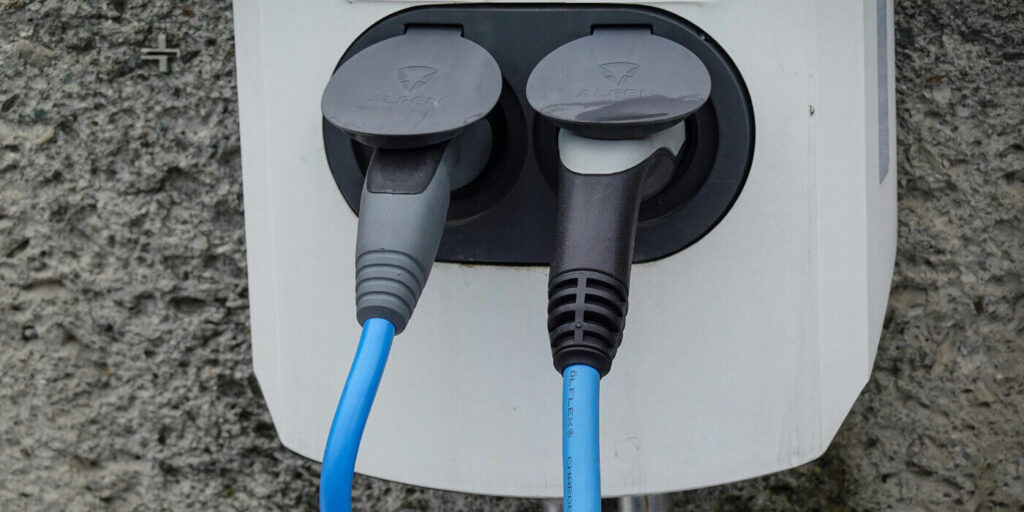
What Is EV Charger Planning Permission UK?
EV charger planning permission UK refers to the planning rules that determine whether a homeowner can install an electric vehicle charging point without submitting a formal application to their local planning authority.
In England, many domestic charging installations fall under permitted development rights. This means homeowners can install qualifying equipment without obtaining individual planning permission, provided the installation meets the relevant conditions and limitations.
However, permitted development does not apply in every situation. Property location, charger positioning, equipment dimensions and local planning restrictions can all affect whether permission is necessary.
Since planning regulations can change, homeowners should check the current requirements before arranging installation. The rules introduced on 21 October 2026 also expanded certain permitted development rights for domestic charging equipment, including qualifying installations within the curtilage of a dwellinghouse
When Do You Need Planning Permission for an EV Charger in Suffolk?
For most standard home installations, planning permission is not required. However, there are several situations where additional approval may be necessary.
1. Listed Buildings
If your property is a listed building, installing an external charging unit may require planning permission. Listed building consent may also be necessary if the proposed work affects the building’s special architectural or historic character.
Homeowners should contact their local planning authority before installing equipment on or around a listed property.
2. Conservation Areas
Some properties in Suffolk are located within designated conservation areas, where additional planning restrictions may apply.
Under the current permitted development rules, certain domestic charger installations within conservation areas are excluded from permitted development rights. Homeowners should therefore check with their local council before choosing an installation location.
3. Restricted Installation Locations
The position and size of an EV charger can influence whether planning permission is required.
For example, current permitted development conditions for wall-mounted charging outlets include:
- The outlet and casing must not exceed 0.2 cubic metres.
- The equipment must not be installed more than 1.6 metres above ground level.
- It must not be installed within the curtilage of a listed building or on a scheduled monument site.
- Additional restrictions apply to installations facing highways.
Ground-mounted charging units also have separate height and location restrictions.
If an installation falls outside the permitted development conditions, a planning application may be required.
4. Homes Without Private Driveways
Homeowners who park on the street may face additional requirements because charging cables cannot simply be laid across public pavements.
The government introduced permitted development provisions for certain cross-pavement charging solutions from 21 October 2026. However, these arrangements must meet specific conditions and have the appropriate highway authority authorisation.
Residents should not assume that permitted development removes the need for council or highway approval.
How to Arrange an EV Charger Installation in Suffolk
Understanding the installation process can help homeowners avoid unnecessary complications.
Here are the main steps to follow:
Step 1: Check Your Property: Identify whether you have private off-street parking, whether your property is listed or located within a conservation area, and where the charger could be installed.
Step 2: Choose a Suitable Charger: Consider your electric vehicle, charging requirements, available electrical supply and preferred smart charging features.
Step 3: Arrange an Electrical Assessment: A qualified installer should assess the consumer unit, existing supply, earthing arrangements and proposed charger location.
Step 4: Confirm Planning Requirements: Check with the relevant local planning authority if your installation falls outside permitted development rights or involves a protected property.
Step 5: Complete DNO Notification or Approval: Your installer should determine the appropriate network application or notification process and handle the necessary communication.
Step 6: Complete Installation and Testing: Once all necessary permissions and electrical requirements are satisfied, the charger can be installed, tested and commissioned. Homeowners should receive the appropriate electrical installation documentation.
Following these steps helps ensure that your installation is safe, compliant and suitable for everyday charging.
Frequently Asked Questions (FAQs)
1. Do I need planning permission to install an EV charger in Suffolk?
Usually, no. Most qualifying domestic installations fall under permitted development rights. Listed buildings, conservation areas and installations outside the permitted limits may require permission.
2. Do I need DNO approval before installing a home EV charger?
Not always. Some installations can proceed before the DNO is notified, while others require an application and approval before installation.
3. Who is responsible for notifying the DNO?
The qualified EV charger installer will generally handle the required notification or application on behalf of the homeowner.
4. Can I install an EV charger without a driveway?
Yes, but you may need an authorised pavement charging channel or another approved arrangement. Suffolk Highways has specific requirements for these installations.
5. What happens if my electricity supply cannot support an EV charger?
Your DNO may need to assess the supply and arrange an upgrade or other modifications before the charger can be connected.
Conclusion
Installing a home EV charger in Suffolk does not usually involve a complicated planning process, but homeowners must understand the relevant restrictions and electricity network requirements. Most standard installations benefit from permitted development rights, while listed properties, conservation areas and pavement charging arrangements may need additional permissions. DNO notification or approval is also an important part of ensuring a safe electrical connection. By arranging a professional assessment and checking the necessary requirements beforehand, homeowners can enjoy convenient home charging without unnecessary delays. Colchester EV Chargers can help homeowners explore suitable charging solutions and understand the practical considerations involved in installing a home EV charger.
Contact Colchester EV Chargers
For professional advice and EV charger installation enquiries, contact Colchester EV Chargers.
- Phone: 01206 591031
- Email: info@colchesterevchargers.co.uk
- Address: Greenways, Bromley Road, Colchester, CO7 7SE, United Kingdom.