
Owning an electric vehicle without having a private driveway can create challenges when it comes to convenient home charging. However, living in a terraced house or flat does not mean you have to rely entirely on public charging stations. An EV charger without driveway access is possible through several alternative solutions, including approved pavement charging channels, communal charging facilities and nearby residential charging points. Colchester EV Chargers helps homeowners and EV drivers explore suitable charging options based on their property layouts and individual requirements.
As electric vehicle ownership continues to grow across the UK, local authorities and charging providers are developing more accessible solutions for residents without private parking. Colchester EV Chargers recognises that every property has different requirements, particularly in areas such as Ipswich, where terraced houses, apartment buildings and on-street parking are common.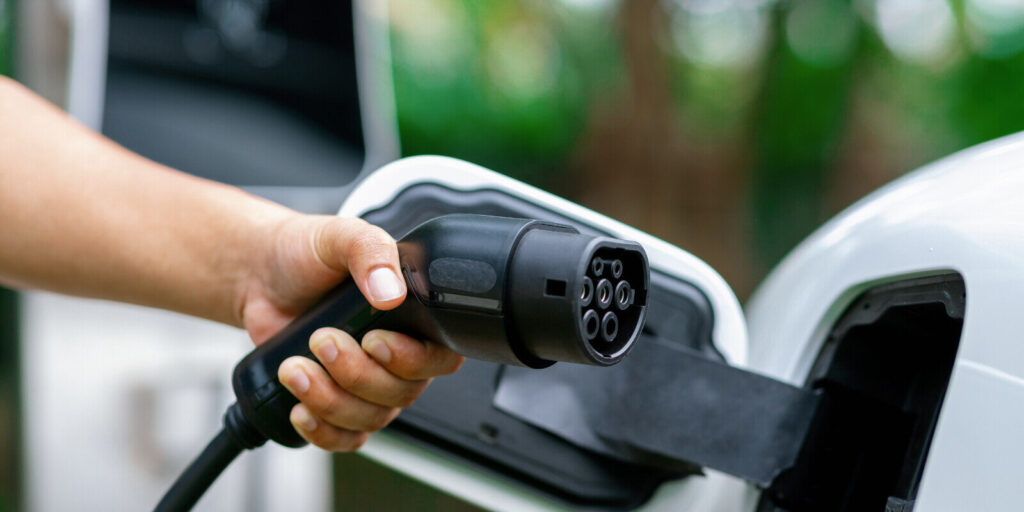
Can You Install an EV Charger Without a Driveway?
Yes, it is possible to arrange home or residential EV charging without owning a driveway. However, the available options depend on your parking arrangements, property ownership, pavement layout and local council regulations.
Traditional home charging involves installing a charging unit on a garage or external wall and connecting it to a vehicle parked on private property. Without a driveway, alternative arrangements may be needed to ensure that charging cables do not create hazards for pedestrians.
An EV charger without driveway access generally involves one of three approaches:
- Installing an approved cross-pavement charging channel.
- Using a shared or communal charging facility.
- Arranging access to a nearby public or residential charging point.
Understanding these options can help Ipswich residents choose a convenient and legally compliant charging arrangement.
1. Cross-Pavement Charging Channels
One of the most practical solutions for homeowners who park outside their properties is a cross-pavement charging channel.
These specially designed channels are installed within the pavement, allowing an EV charging cable to cross the public footpath safely without creating a loose cable obstruction.
Instead of leaving a cable stretched across the pavement, the charging channel provides a designated route that helps protect pedestrians.
How Does Cross-Pavement Charging Work?
The process generally involves installing a suitable charging unit on your property and creating an authorised channel through the pavement between your home and the parking area.
However, homeowners cannot simply install these systems independently. Permission from the relevant highway authority is required before carrying out work on public land.
For residents in Ipswich, Suffolk County Council has an application process for residential EV charging channels. Applications are assessed according to pavement conditions, parking arrangements, pedestrian access and installation suitability.
Important Considerations
Before choosing this option, consider:
- Whether you have a suitable parking space outside your property.
- Whether the pavement is wide enough for an approved installation.
- Whether the proposed cable route meets pedestrian safety requirements.
- Whether your property has an appropriate electrical supply.
- Whether council authorisation and other necessary approvals can be obtained.
This solution can make residential charging more convenient for people who regularly park on the street.
2. Communal EV Charging for Flats and Apartment Buildings
Residents of flats often face different challenges because they may not have individual parking spaces or permission to install equipment on shared building walls.
Communal EV charging is an effective alternative for apartment developments, providing charging facilities that can be shared between multiple residents.
These installations are usually arranged through property managers, landlords, freeholders or residents’ management companies.
Benefits of Communal Charging
Shared Installation Costs: The cost of installing charging infrastructure may be distributed between the property owner, management company or participating residents.
Convenient Access: Residents can charge their vehicles within or close to their residential development.
Multiple Charging Points: Larger developments can accommodate several charging units to support increasing EV ownership.
Future-Proof Infrastructure: Shared charging systems can be designed to allow additional charging points as demand increases.
For flat owners and tenants in Ipswich, discussing EV charging infrastructure with the building management team is an important first step.
3. Using Nearby Public Charging Stations
If installing a private or communal charger is not possible, public charging stations provide another convenient option.
Ipswich has a growing network of public EV charging facilities, including destination chargers, rapid chargers and charging points located near shopping areas, supermarkets and car parks.
Although public charging may not offer the same convenience as charging at home, it can be a practical solution for residents without suitable private parking.
Choosing the Right Public Charging Option
Consider the following factors when selecting a charging location:
- Distance: Choose a charging station close to your home, workplace or regular destinations.
- Charging speed: Select a charging speed that matches your vehicle and available time.
- Pricing: Compare charging tariffs, subscription fees and payment methods.
- Availability: Check whether charging points are regularly occupied.
- Accessibility: Consider opening hours, parking restrictions and walking distance.
Using charging applications can also help locate available stations and compare prices before travelling.
4. Can You Install an EV Charger Outside a Terraced House?
Terraced houses often have limited front garden space and direct access to on-street parking. However, some properties may still be suitable for a dedicated charging arrangement.
If the property has an appropriate external wall, an installer may be able to assess whether a charging unit can be installed alongside an approved pavement charging solution.
Homeowners should consider the following factors:
Property Ownership: If you own the property, you can explore installation options subject to relevant permissions. Tenants should obtain permission from their landlord.
Electrical Supply: A qualified installer should check whether the existing electrical supply can safely support the charging equipment.
Cable Management: Charging cables must not create trip hazards or obstruct pedestrians.
Planning Requirements: Certain installations may fall under permitted development rights, while listed buildings, conservation areas and other restricted locations may require additional permission.
Highway Approval: Any work involving a public pavement requires the relevant highway authority’s authorisation.
Planning these details beforehand can help avoid installation delays and unnecessary expenses.
5. What Does It Cost to Charge an Electric Car Without a Driveway?
The overall cost depends on the charging method, electricity tariff, installation requirements and vehicle battery capacity.
A private home charging installation with an approved pavement channel may involve additional costs for electrical work and highway modifications.
Communal charging costs depend on the building’s infrastructure, number of charging points and payment arrangements.
Public charging prices vary between operators and charging speeds. Rapid charging is often more expensive per unit of electricity than slower residential charging, although prices differ between providers.
Homeowners should compare installation costs and ongoing electricity expenses before selecting a solution.
Why Professional EV Charger Installation Matters
Installing charging equipment involves more than simply connecting a charging unit to an electrical supply. The installation must meet appropriate electrical safety standards and comply with relevant planning, highway and network requirements.
A professional installer can assess the property’s electrical capacity, identify suitable charging equipment and explain the practical requirements of different installation options.
They can also help determine whether Distribution Network Operator (DNO) notification or approval is needed.
For residents considering an EV charger without driveway access, professional guidance is particularly important because pavement arrangements and shared property installations involve additional considerations.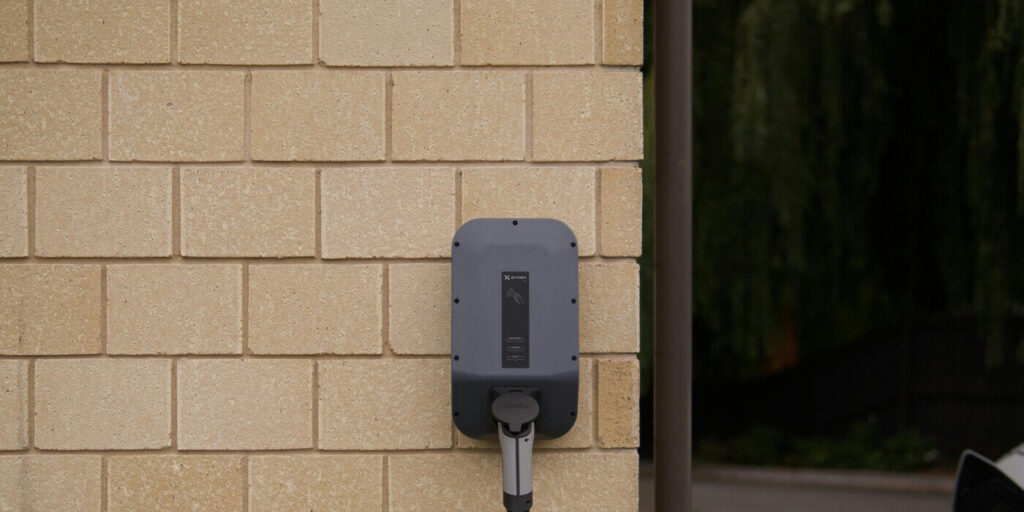
Frequently Asked Questions (FAQs)
1. Can I charge my electric car outside my terraced house?
Yes, potentially. An approved cross-pavement charging channel may allow you to connect a home charger to a vehicle parked on the street, subject to council authorisation.
2. Can I install an EV charger if I live in a flat?
Yes. You may be able to arrange a communal charging point through your landlord, freeholder or property management company.
3. Can I run an EV charging cable across a public pavement?
You should not leave an ordinary charging cable across a public pavement because it can create a trip hazard. Use an authorised charging solution that meets highway requirements.
4. Does Suffolk County Council allow pavement charging channels?
Suffolk County Council has an application process for residential EV charging channels. Each proposed installation is assessed for suitability and safety.
5. Is public charging cheaper than home charging?
Not usually. Public rapid charging can cost more per unit of electricity than charging at home, although actual prices depend on the provider and tariff.
Conclusion
Not having a private driveway does not mean you have to give up the convenience of owning an electric vehicle. From approved pavement charging channels and communal facilities to nearby public charging stations, several options are available for terraced house and flat residents in Ipswich. The most suitable solution depends on parking arrangements, property ownership, electrical capacity and local authority requirements. By exploring these options and seeking professional advice, EV drivers can find practical ways to charge their vehicles safely and conveniently. Colchester EV Chargers can help homeowners explore suitable charging solutions and understand the considerations involved in residential EV charger installations.
Contact Colchester EV Chargers
For professional advice and EV charger installation enquiries, contact Colchester EV Chargers.
- Phone: 01206 591031
- Email: info@colchesterevchargers.co.uk
- Address: Greenways, Bromley Road, Colchester, CO7 7SE, United Kingdom.