
As more UK homeowners look for ways to improve energy efficiency and make better use of renewable power, battery storage is becoming an increasingly practical option. Solar Battery Storage Ipswich allows households with solar panels to store excess electricity and use it when it is most useful. Colchester EV Chargers provides energy and EV charging solutions designed to help homeowners make better use of available renewable energy.
Solar battery systems can complement an existing solar PV installation by storing electricity generated during periods of strong sunlight. Colchester EV Chargers can help homeowners understand how battery storage works and whether it could be suitable for their property’s energy requirements.
What Is Solar Battery Storage?
Solar battery storage is a system that stores electricity generated by solar panels instead of allowing unused energy to be exported immediately to the grid. The stored electricity can then be used when solar generation is lower, such as during the evening or on cloudy days.
This can help homeowners increase their use of self-generated electricity. Rather than relying entirely on the grid when solar panels are not producing enough power, stored energy can provide an additional source of household electricity.
The suitability of a battery system depends on factors including solar panel capacity, household electricity consumption, available installation space and the property’s energy usage patterns.
How Solar Battery Storage Works
During daylight hours, solar panels generate electricity. Household appliances use some of this electricity immediately, while surplus generation can be directed towards the battery.
Once the battery reaches its available capacity, additional electricity may be exported to the grid depending on the home’s setup and applicable arrangements.
When solar generation decreases, stored electricity can be discharged to help power household appliances. This can be particularly useful during the evening, when many households continue to use electricity after solar generation has stopped.
Benefits of Solar Battery Storage
Solar Battery Storage Ipswich can provide several potential advantages for homeowners looking to improve the way they use renewable electricity.
Greater Use of Solar Energy
Without battery storage, surplus solar electricity may be exported when household demand is low. A battery can store some of this excess energy for later use.
Reduced Reliance on Grid Electricity
Using stored solar energy can reduce the amount of electricity a household needs to draw from the grid at certain times.
Better Energy Management
Battery storage allows homeowners to manage when their generated electricity is used. This can make a solar PV system more flexible and useful throughout the day.
Support for Electric Vehicle Charging
For households with an electric vehicle, stored solar energy may also complement home EV charging. Depending on the system and charging requirements, surplus renewable electricity can contribute towards vehicle charging.
Is Solar Battery Storage Suitable for Your Home?
Not every property will have the same requirements. A professional assessment can help determine whether battery storage is appropriate.
Important considerations include:
- Existing solar panel capacity
- Household electricity consumption
- Typical daytime and evening energy usage
- Battery capacity
- Available installation space
- Electrical system requirements
- Future energy needs
- EV ownership and charging requirements
A battery should be appropriately sized rather than simply choosing the largest available capacity. Oversizing a system may not provide the expected benefits if the household does not regularly generate or consume enough electricity.
Adding a Battery to Existing Solar Panels
Homeowners who already have solar panels may be able to add battery storage to their existing system. The compatibility of the current installation should be assessed before selecting a battery.
The existing inverter, solar PV system and electrical infrastructure may influence which battery configuration is suitable. In some circumstances, additional equipment or modifications may be necessary.
A professional installer can assess the existing system and explain the available options.
Solar Battery Storage and Energy Efficiency
Battery storage can help homeowners make better use of renewable electricity, but it should be considered alongside wider energy-efficiency measures.
Improving insulation, using efficient appliances, managing heating schedules and reducing unnecessary electricity consumption can all contribute to lower household energy use.
A battery does not create additional electricity. Instead, it provides a way to store and use electricity generated by the home’s solar system at a more convenient time.
Battery Capacity and Household Demand
Battery capacity is an important consideration when planning an installation. A small household with relatively low electricity consumption may have different requirements from a larger property with several occupants.
The ideal capacity depends on how much electricity the solar system produces and how much energy the household typically consumes.
It is also useful to consider future changes. Homeowners planning to purchase an electric vehicle, install additional solar panels or increase electricity consumption may want to account for those plans when discussing battery options.
Combining Solar Storage with EV Charging
Solar panels, battery storage and EV charging can work together as part of a broader home energy strategy.
During periods of solar generation, electricity can be used to power household appliances, charge a battery or contribute towards EV charging. Stored energy can then be used later when solar generation is lower.
For homeowners with an electric vehicle, coordinating charging with solar generation and battery storage may provide greater control over how renewable electricity is used.
Installation and Maintenance
A battery storage system should be installed by an appropriately qualified professional. The installation needs to take account of the property’s electrical system, battery location, ventilation requirements and relevant safety considerations.
After installation, homeowners should follow the manufacturer’s instructions and recommended maintenance requirements.
It is also useful to monitor the system’s performance. Changes in battery behaviour, unexpected faults or unusual system warnings should be investigated rather than ignored.
Making the Most of Your Solar Battery
Homeowners can improve the usefulness of their battery by understanding their household’s energy patterns. For example, appliances that consume significant amounts of electricity can potentially be used during periods when solar generation is available.
Smart energy controls may also help coordinate solar generation, battery charging and household demand.
However, energy usage varies from one household to another, so the most effective approach depends on the property’s individual circumstances.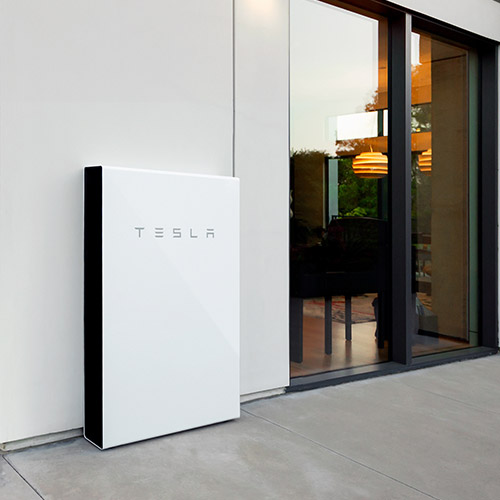
Frequently Asked Questions
What does a solar battery do?
A solar battery stores surplus electricity generated by solar panels so that it can be used later when solar generation is lower.
Can I add a battery to my existing solar panels?
In many cases, yes. However, compatibility between the existing solar PV system, inverter and proposed battery should be assessed before installation.
How long does a solar battery last?
Battery lifespan varies depending on the technology, manufacturer, usage and operating conditions. Homeowners should check the manufacturer’s specifications and warranty information.
Can a solar battery charge an electric vehicle?
A battery can potentially contribute electricity towards EV charging, depending on the system configuration, battery capacity and charging requirements.
Is a larger solar battery always better?
Not necessarily. The appropriate capacity should reflect the household’s solar generation and electricity consumption. A professional assessment can help determine a suitable size.
Conclusion
Solar battery storage can help homeowners make greater use of renewable electricity by storing surplus solar generation for later use. When appropriately sized and professionally installed, a battery can complement solar panels, support household energy management and potentially work alongside an EV charging system. Homeowners considering a battery should assess their current energy consumption, solar generation and future requirements before choosing a system.
Contact
Phone: 01206 591031
Email: info@colchesterevchargers.co.uk
Address: Greenways, Bromley Road, Colchester, CO7 7SE, United Kingdom.