
As energy costs and interest in renewable energy continue to influence property owners across the UK, solar power has become an increasingly practical option for generating electricity. Solar Panel Installation in Ipswich allows homeowners and businesses to produce renewable energy from sunlight while potentially reducing their reliance on electricity from the grid. Colchester EV Chargers can help property owners understand how solar technology can fit into their energy requirements.
Solar panels can be installed on a range of residential and commercial properties, provided the roof, electrical system, and surrounding conditions are suitable. Colchester EV Chargers can assist customers in understanding important considerations such as system size, panel placement, energy consumption, and the relationship between solar generation and electric vehicle charging.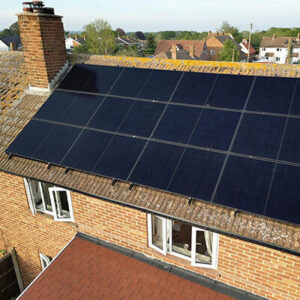
What Is Solar Panel Installation?
Solar panel installation involves mounting photovoltaic (PV) panels on a suitable roof or other appropriate location so they can convert sunlight into electricity. The generated electricity can be used by the property, while surplus electricity may potentially be exported to the grid depending on the system and applicable arrangements.
Solar Panel Installation in Ipswich can be considered by homeowners looking to generate renewable electricity and by businesses seeking to improve their energy infrastructure. The appropriate system depends on factors such as electricity usage, available roof space, orientation, shading, and budget.
Benefits of Solar Panels
Reduced Reliance on Grid Electricity
Solar panels generate electricity on-site, which can reduce the amount of electricity a property needs to obtain from the grid. The actual reduction depends on system size, household or business consumption, weather conditions, and when electricity is used.
Renewable Energy Generation
Solar energy is a renewable source of electricity. Once a solar PV system is installed, it can generate electricity without requiring fuel during operation. This can help property owners incorporate renewable energy into their everyday electricity use.
Potential Long-Term Savings
Although solar panels require an initial investment, generating some electricity on-site may reduce electricity costs over time. The financial benefit depends on factors including installation costs, energy consumption, electricity prices, system performance, and how much generated electricity is used directly.
Support for EV Charging
Solar panels can complement electric vehicle charging. Property owners with an EV may use generated electricity to help charge their vehicle, depending on the timing of solar generation and charging demand. Combining renewable generation with EV charging can create a more integrated approach to household or business energy use.
How Much Does Solar Panel Installation Cost?
The cost of a solar PV system varies considerably between properties. There is no single price that applies to every installation because several factors influence the overall project.
These can include:
- Number and type of solar panels
- Total system capacity
- Roof size and accessibility
- Roof condition
- Inverter requirements
- Mounting equipment
- Electrical work
- Cable requirements
- Battery storage, if included
- Labour and installation complexity
A larger property or business may require a larger system, increasing the equipment and installation costs. Similarly, a property with difficult roof access or additional electrical requirements may require more work than a straightforward installation.
For an accurate figure, property owners should obtain a site-specific assessment and quotation rather than relying solely on generic online estimates.
What Factors Affect Solar Panel Performance?
Solar panels generate electricity from sunlight, so their performance is influenced by the conditions surrounding the installation.
Roof Orientation
The direction and angle of a roof can affect how much sunlight reaches the panels. An installer can assess the available roof areas and determine an appropriate panel arrangement.
Shading
Trees, neighbouring buildings, chimneys, and other structures can cast shadows across solar panels. Significant shading can affect energy generation, making a site assessment particularly useful.
System Size
A system should be selected according to the property’s electricity requirements and available installation space. Installing more panels is not automatically the best option if the additional generation does not match the property’s energy usage.
Energy Consumption
Understanding when and how electricity is used is also important. Solar generation typically varies throughout the day, so consumption patterns can affect how much generated electricity is used directly.
Solar Batteries and Energy Storage
Solar battery storage can be considered alongside a solar PV system. Batteries store electricity generated by the panels so it can potentially be used later when solar generation is lower.
For example, a property may generate electricity during daylight hours when occupants are away. A suitable battery system may allow some of that stored energy to be used later.
However, battery storage adds to the overall system cost. Property owners should consider their electricity consumption patterns and expected benefits when deciding whether storage is appropriate.
Solar Panels for Businesses
Commercial properties can have significant electricity requirements, making solar generation an option worth investigating. Offices, workshops, retail premises, warehouses, and other businesses may have suitable roof space for solar panels.
A commercial solar installation should take into account the property’s electricity demand, operating hours, roof structure, available space, electrical infrastructure, and potential future requirements.
Businesses may also consider solar generation alongside workplace EV charging. Where electricity consumption and solar generation occur at suitable times, renewable electricity can potentially support charging requirements.
What Happens During Installation?
A typical solar installation begins with an assessment of the property. The installer evaluates the roof, proposed panel location, electrical system, and other relevant factors.
The general process may include:
- Assessing the property and energy requirements.
- Reviewing suitable panel locations.
- Designing an appropriate solar PV system.
- Providing a quotation based on the proposed installation.
- Installing mounting equipment and solar panels.
- Connecting the panels to the inverter and electrical system.
- Testing the system and explaining its operation.
The exact process and timescale can vary depending on the property and system design.
Is Solar Panel Installation Suitable for Every Property?
Not every property will have identical conditions for solar generation. Roof space, shading, structural considerations, electrical infrastructure, and planning or property-specific requirements can all influence whether a particular system is suitable.
A professional assessment can identify potential installation challenges before work begins. Property owners should also check any relevant requirements that apply to their building or location.
Frequently Asked Questions
How long do solar panels last?
Solar panels are designed for long-term operation, although their performance can gradually decline over time. The expected lifespan depends on the panel technology, manufacturer, installation conditions, and maintenance.
Do solar panels work on cloudy days?
Yes. Solar panels can still generate electricity when the sky is cloudy, although output is generally lower than during periods of stronger sunlight.
Can solar panels charge an electric vehicle?
Yes, solar-generated electricity can potentially be used for EV charging. The practical setup depends on the solar system, vehicle charger, energy consumption, and timing of electricity generation.
Is a battery necessary with solar panels?
No. A solar PV system can operate without battery storage. Whether a battery is worthwhile depends on factors such as electricity usage patterns, system size, and the intended use of stored electricity.
Conclusion
Solar energy can provide homeowners and businesses with a way to generate renewable electricity on their own property. The suitability and financial benefits of a solar PV system depend on individual circumstances, including energy consumption, roof characteristics, system size, installation costs, and potential storage requirements. Careful planning and a professional assessment can help property owners select a system that matches their electricity needs and available space.
Contact Colchester EV Chargers
Company: Colchester EV Chargers
Phone: 01206 591031
Email: info@colchesterevchargers.co.uk
Address: Greenways, Bromley Road, Colchester, CO7 7SE, United Kingdom.