
Electric vehicles are becoming increasingly common across the UK as more drivers look for cleaner and more sustainable ways to travel. With this growing popularity, many people are asking an important question: what is an EV charger and how does it work?
Understanding the basics of EV charging can help drivers make informed decisions when switching to an electric vehicle. From home charging units to rapid public chargers, EV charging technology is designed to make powering your car simple, efficient, and convenient.
In this guide, we will explain what is an EV charger, how it works, the different types available, and why installing a charger at home or at your workplace can make owning an electric vehicle much easier.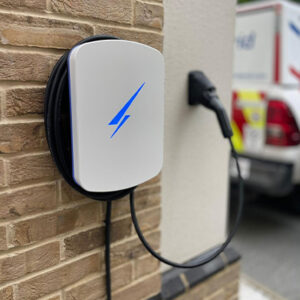
What Is an EV Charger?
To understand electric vehicles, it’s essential to know what is an EV charger. An EV charger is a device that supplies electrical energy to recharge the battery of an electric vehicle. Instead of filling a fuel tank with petrol or diesel, EV drivers connect their vehicle to a charger that transfers electricity into the battery.
EV chargers come in several forms. Some are installed at home, while others are located in public spaces such as car parks, shopping centres, offices, and service stations.
When people ask what is an EV charger, they are often referring to the charging unit that safely delivers electricity from the power supply to the vehicle. These chargers include built-in safety features that regulate the electricity flow and protect both the car and the electrical system.
How Do EV Chargers Work?
Now that we understand what is an EV charger, it’s helpful to know how the charging process works.
When an electric vehicle is plugged into a charger, electricity flows from the power source through the charger and into the vehicle’s battery. The charger communicates with the vehicle to determine the correct amount of power needed and ensures safe energy transfer.
The process typically follows these steps:
-
The vehicle is connected to the charger using a compatible charging cable.
-
The charger and the car communicate to confirm safe charging conditions.
-
Electricity flows from the grid to the charger.
-
The vehicle’s onboard system converts the electricity and stores it in the battery.
Because of these systems, drivers can safely recharge their vehicles at home or in public locations without worrying about overcharging or electrical faults.
Types of EV Chargers
Another key part of understanding what is an EV charger involves learning about the different types available. EV chargers are generally divided into three main categories.
Slow Chargers (Level 1)
Slow chargers are usually found in domestic settings. They use a standard electrical supply and typically provide around 2–3 kW of power. Charging an electric vehicle with this type of charger may take several hours, often overnight.
These chargers are suitable for drivers who travel short distances daily and can recharge their vehicles while the car is parked at home.
Fast Chargers (Level 2)
Fast chargers are commonly installed in homes, workplaces, and public car parks. They usually deliver between 7 kW and 22 kW of power, allowing vehicles to recharge much faster than slow chargers.
For many drivers researching what is an EV charger, this type is the most common choice for home installations because it offers a good balance of speed and affordability.
Rapid and Ultra-Rapid Chargers
Rapid chargers are typically found at motorway service stations and busy public locations. These chargers provide much higher power levels, often starting at 50 kW and going much higher for ultra-rapid systems.
With these chargers, many electric vehicles can recharge a significant portion of their battery in under an hour, making long-distance travel more practical.
Benefits of Installing an EV Charger at Home
Understanding what is an EV charger also helps highlight why installing one at home is becoming increasingly popular across the UK.
Convenience
Home charging allows drivers to recharge their vehicles overnight. This means starting each day with a full battery without needing to visit a public charging station.
Cost Savings
Charging at home can often be cheaper than using public chargers, particularly when using off-peak electricity tariffs.
Faster Charging
A professionally installed home charger is much faster than charging through a standard plug socket, reducing charging times significantly.
Increased Property Appeal
As electric vehicles become more common, homes equipped with EV charging points may become more attractive to future buyers.
EV Charger Installation in the UK
If you are considering installing a charger, professional installation ensures safety and compliance with UK electrical regulations.
Installers will assess your property, electrical supply, and parking setup before recommending the best charger type. Proper installation ensures the charger operates safely and efficiently.
Professional installers also ensure that charging equipment meets industry standards and integrates properly with your home’s electrical system.
Choosing the Right EV Charger
When deciding which charger to install, several factors should be considered.
Vehicle Compatibility
Different vehicles may support different charging speeds, so it is important to choose a charger that works efficiently with your specific car model.
Charging Speed
Some drivers prefer faster chargers that can replenish their battery quickly, while others are comfortable with overnight charging.
Installation Location
The location of the charger whether on a driveway, in a garage, or in a car park can influence the installation method and cable setup.
Smart Charging Features
Many modern chargers offer smart features that allow drivers to schedule charging times, monitor energy use, and control the charger through mobile apps.
The Future of EV Charging
As electric vehicles continue to grow in popularity, EV charging technology is evolving rapidly. Governments and businesses across the UK are investing heavily in charging infrastructure to support the transition to electric transport.
Future chargers are expected to become faster, more efficient, and more widely available. Smart energy integration may also allow EVs to interact with the power grid, helping balance electricity demand.
For drivers exploring what is an EV charger, these developments highlight how EV charging will become even more convenient in the coming years.
Why Choose Professional EV Charger Installers
Installing an EV charger requires knowledge of electrical systems, safety standards, and equipment compatibility. Professional installers ensure that chargers are set up correctly and safely.
An experienced installation company can recommend the best charging solution for your home or business and handle the entire installation process from start to finish.
Frequently Asked Questions
What is an EV charger used for?
An EV charger supplies electrical energy to recharge the battery of an electric vehicle. It safely transfers electricity from the power supply to the car.
How long does it take to charge an electric vehicle?
Charging times depend on the charger type and battery size. A fast home charger can typically recharge most vehicles within several hours.
Can I install an EV charger at home?
Yes, many homeowners install EV chargers at home. A professional installer can assess your electrical system and safely install the charging unit.
Are EV chargers safe?
Yes. Modern chargers include safety features that monitor electricity flow, prevent overheating, and ensure safe communication between the charger and the vehicle.
Do EV chargers increase electricity bills?
Charging an EV will add to electricity usage, but it is often cheaper than paying for petrol or diesel, especially with off-peak tariffs.
Conclusion
Colchester EV Chargers are transforming the way people travel, and understanding what is an EV charger is an important part of making the transition to electric driving. EV chargers provide a safe and efficient way to power vehicles, whether at home, at work, or in public locations.
As the EV market continues to grow in the UK, installing a reliable charging solution can make owning an electric vehicle far more convenient. With professional installation and the right equipment, drivers can enjoy easy and efficient charging every day.
Contact Colchester EV Chargers
Colchester EV Chargers
Address: Greenways, Bromley Road, Colchester, CO7 7SE, United Kingdom
Phone: 01206 591 031
Email: info@colchesterevchargers.co.uk